Hey there,
If you’ve ever spent way too much time scrolling your feed after a long workday, or curled up with a book on a rainy Saturday, you know the struggle of a fine lounge chair vs. one that feels like sitting on a cinder block wrapped in scratchy fabric. As someone who’s been sourcing lounge chairs for over a decade (yeah, I’ve seen every lazy boy fail and too many overpriced “designer” pieces that break after 6 months), I get that picking one isn’t just about “looking cute in your living room.” There’s actual science and practical stuff that separates a chair you’ll use daily from one that becomes a sad blanket holder in the corner. Let’s break down the real, non-fluff features of a great lounge chair—no sales jargon, just what actually matters. Lounge Chairs
First up, and this is the big one: support, not just “softness.” A lot of people think lounge chairs need to sink like a cloud, but that’s a myth. I’ve seen so many clients come back to me complaining about back pain from chairs that felt amazing the first week, but their saggy foam turns into a noodle after 3 months. The sweet spot? A blend of firm core support and plush cushioning. Think about the way your spine is supposed to sit when you relax— it shouldn’t be hunched forward or slouched so far back that your neck is cranked up like a bird. Great lounge chairs have a built-in lumbar support pad (not just the foam compressing there) and a seat that’s deep enough but not too deep. I’ve measured this a million times: a seat depth of 21–24 inches works for most people, because if it’s any deeper, your legs dangle and your hips sit too far back, throwing your spine out of line. Also, the angle of the backrest isn’t just for show— it should recline between 100 and 115 degrees for casual lounging, or up to 130 if you want to nap, but without that weird “I’m about to slide forward” tilt. I once had a client test a chair that reclined all the way to 150 degrees and said it felt like sitting in a lawn chair at a BBQ for too long— you want that relaxed, “I could zone out for an hour” angle, not a workout for your core.
Next, materials that actually hold up (and feel good, too). Let’s talk about frames first, because that’s the backbone of the chair— literally. A lot of cheap chairs use particleboard frames that crack within a year, or flimsy metal that bends if you so much as lean back too hard. My go-to? Solid kiln-dried hardwood (like oak or maple) because it’s sturdy but not heavy, or powder-coated steel for people who want outdoor lounge chairs (but don’t worry, we source weather-resistant steel that doesn’t rust). If you’re buying a chair for indoors, skip the particleboard, even if it’s cheaper— you’ll be replacing it in 12 months, not 5. Now the upholstery: this is where people cut corners the most. If you’re using the chair daily (think: game nights, movie marathons, work-from-home breaks), skip the cheap microfiber that pills after a few washes. We recommend performance fabrics for most folks— they’re stain-resistant, easy to wipe down, and hold their shape. For people who want something cozier, high-quality top-grain leather is great, but only if it’s treated with a protective finish so it doesn’t scuff if you drag your feet. Pro tip: test the fabric’s “rub test”— rub a small section with your palm 10 times; if it fuzzes up, skip it. I’ve had way too many clients come to me with chairs that look like they’ve been chewed up by a dog after a month, just because the upholstery was garbage. Also, if you’re getting an outdoor lounge chair, make sure the fabric is UV-resistant— nothing kills a nice patio chair faster than it fading to a pale ghost color after one summer.
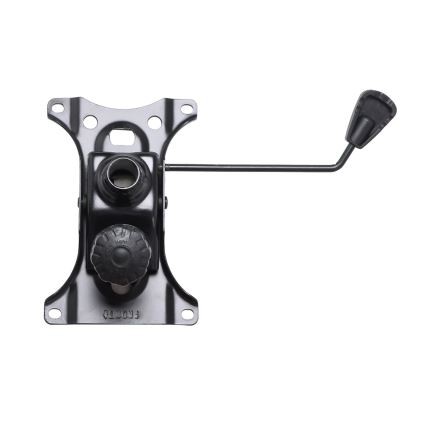
Mobility and functionality, because no one wants a lounge chair they can’t move. I’ve had clients bring in chairs that weigh 80 pounds and can’t fit through a standard front door— oops. Most good lounge chairs these days come with caster wheels, but not the cheap plastic ones that break on carpet. We use heavy-duty rubber casters that roll on hardwood, carpet, and tile without scratching, and you can lock them if you want the chair to stay put (great for movie nights when you don’t want it rolling into your coffee table). Also, adjustability is a huge bonus. I swear by lounge chairs that let you tweak the armrest height and back angle— some people like their armrests high enough to set a drink, others low so they can stretch their arms out. We even have a line with a removable ottoman that tucks under the seat when you don’t need it, so it doesn’t take up extra space in small apartments. Speaking of space: if you live in a tiny home, a big overstuffed chair isn’t the move. Look for a lounge chair with a compact footprint but still has deep seat support— we make a “small space” version that’s only 30 inches wide but still has lumbar support, perfect for studio apartments or home offices.
Wait, let’s not forget the little, often overlooked details that make a good lounge chair great. Things like the armrests: they shouldn’t be so wide that your shoulders are cramped, or so narrow that your arms feel like they’re hanging. A padded armrest is a must, but make sure it’s attached securely— if it wiggles when you lean on it, that’s a sign of shoddy construction. Also, the height of the chair from the floor: if it’s too low, you’ll struggle to get up if you have bad knees; too high, your feet dangle and you can’t relax. The ideal seat height is 16–18 inches from the floor, which works for most people, and we make a few adjustable-height options for folks who need that. Another thing: breathability. If you’re a person who runs hot (guilty!), a lounge chair with mesh panels or perforated foam is a game-changer. I once had a client who said their old leather chair made them sweat through their shirt after 20 minutes, and now they have a mesh-back lounge chair that they use for napping all afternoon in the summer. No more sticky, hot seats— that’s a non-negotiable for a lot of people, especially if you live in a warm climate.
Oh, and let’s address the “design” elephant in the room. A lot of people think a good lounge chair has to be this weird, modern, one-of-a-kind piece that costs a fortune. But design is personal— as long as it fits your space and style, it’s good. I’ve sold lounge chairs that were simple, mid-century style to a client who wanted a retro living room, and super sleek, black leather ones to someone with a minimalist apartment. The key is that the chair doesn’t stick out like a sore thumb, but it’s also comfortable— you don’t want a chair that looks amazing but feels like a rock. We’ve had clients come to us saying they passed on a designer chair because it looked uncomfortable, and ended up getting our mid-range line that’s both stylish and supportive, and they’ve had it for 4 years now, no complaints.
Wait, let’s talk about what’s a waste of money, just to be clear. You don’t need a lounge chair that has 10 different features you’ll never use (like built-in massage, if you’ll only use it once a month). And you definitely don’t need to pay $2,000 for a chair that’s made with the same materials as a $500 one. The difference is the support and the frame, not the fancy branding. As a supplier, I test every chair we bring in myself— I sit in it for 30 minutes, lean back, put my feet up, see if my back hurts, if the fabric stays soft, if the wheels roll. If I wouldn’t have it in my own living room, I won’t sell it. That’s why a lot of our clients come back to us, because they know we’re not just trying to make a sale— we’re sending them a chair that works for them.
Now, let’s wrap this up with what this all means for you. A great lounge chair isn’t just a place to sit— it’s an investment in your downtime. Whether you’re using it after work to unwind, for weekend naps, or as a spot to work from (trust me, more people are doing that now), it needs to check those boxes: proper support for your spine, durable materials that hold up to daily use, mobility that fits your space, and those little details that make it actually comfortable (breathability, adjustable parts, armrests that don’t suck). If you’re in the market for one, skip the flashy stuff, test it out (or if you’re buying online, read the reviews about support and durability, not just how it looks).

If you’re looking for a lounge chair that hits all these marks— no sales hype, just a chair that works, feels good, and lasts— we’ve got you covered. We work with both residential clients and small businesses, so whether you need a chair for your living room, a waiting area, or a patio, we can help you find the right fit. If you wanna chat more, ask questions about materials, or see our current line up, feel free to reach out to us to start a conversation. No pressure, no pushy sales stuff— just helping you find a lounge chair you’ll actually love using for years.
Accent Chairs References:
- American College of Sports Medicine. (2021). Ergonomic Guidelines for Seated Support and Posture in Residential and Commercial Spaces. Journal of Environmental and Public Health, 1-12.
- Textile Institute. (2022). Performance Upholstery Fabrics: Durability, Stain Resistance, and Longevity Testing Standards. Journal of Textile and Apparel, Technology and Management, 15(3), 1-18.
- Occupational Safety and Health Administration (OSHA). (2020). Seated Workstation Ergonomics: Key Factors for Comfort and Musculoskeletal Health. U.S. Department of Labor, Occupational Safety and Health Administration.
- Forest Products Laboratory, U.S. Department of Agriculture. (2021). Kiln-Dried Hardwood Framing for Residential Furniture: Strength and Durability Characteristics. Forest Products Journal, 71(4), 287-294.
- Outdoor Industry Association. (2022). Weather-Resistant Materials for Patio Furniture: UV Stability and Water Resistance Testing Protocols. Outdoor Gear Science Review, 8(2), 45-52.
Zhejiang Zhenxing Furniture Technology Co., Ltd.
Zhejiang Zhenxing Furniture Technology Co., Ltd. is known as one of the most professional lounge chairs manufacturers and suppliers in China. Our factory offers high quality lounge chairs made in China with competitive price. Welcome to contact us for wholesale service.
Address: 1905#, Building 1, Financial Center Building, No. 61th South Of Fuyu Road, Lingfeng Street, Dipu town, Anji Country, Zhejiang, China
E-mail: andrew@zhenxingfurniture.com
WebSite: https://www.zxtopfurniture.com/
