If you’ve ever looked into getting bulletproof glass that’s actually up to par for military or heavy-duty tactical use, you’ve definitely heard of Stanag 4569. For anyone in the market, this isn’t just another random standard—it’s the benchmark that separates glass that can stop a rifle round from glass that’s just fancy (and dangerous) plexiglass. But here’s the thing I get asked all the time, as someone who’s been supplying Stanag 4569-compliant bulletproof glass for years: how does this stuff hold up when it’s exposed to organic solvents? Most buyers are focused on ballistics first, and that makes total sense—if it can’t stop a 7.62mm round, what’s the point? But organic solvents, things like diesel, gasoline, hydraulic fluid, even some cleaning agents used on military vehicles, are everywhere out in the field. And if your ballistic glass starts breaking down because of a spill you didn’t plan for, that’s a way bigger problem than a failed test at a factory. Let’s break this down like I would chat with a new customer who’s not a glass scientist, because that’s who I actually talk to most days—platoon sergeants, fleet managers, security directors, guys who need gear that works when they need it, not just on a spec sheet. Bulletproof Glass for Stanag 4569 Standard
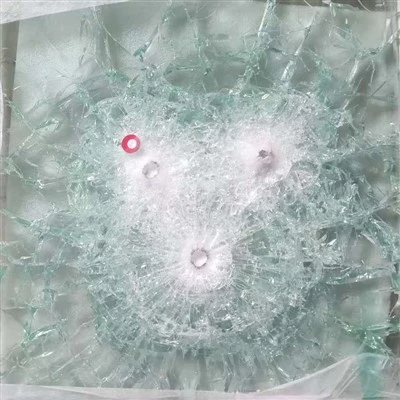
First, let’s get on the same page about what Stanag 4569 actually is, because a lot of people mix it up with other NIJ or local standards. Stanag stands for Standardization Agreement, so it’s a set of rules agreed on by NATO member countries (and a bunch of non-NATO partners too) to make sure ballistic gear is interchangeable and reliable across borders. The standard splits protection into levels 1 to 5, right? Level 1 stops small arms like 9mm pistols, Level 5 takes on armor-piercing rifle rounds. The glass I supply is rated for Levels 3 and 4 mostly—those are the ones used in tactical vehicles, VIP transports, fixed security installations, the stuff that gets the most field use where solvents are a concern. The key part of Stanag 4569 for our purposes is that it doesn’t actually test organic solvents directly. Wait, that’s a big deal. The standard is 90% ballistics, and the tiny remaining bit is about weathering and impact resistance. So a lot of suppliers will try to tell you “our Stanag glass is solvent-resistant!” but when you ask for proof, they’ll show you a test that isn’t even required by the standard. That’s where years of hands-on testing from my team comes in—we don’t just meet the minimum Stanag specs, we test for the stuff that matters in real life, including organic solvents.
Now, what even are organic solvents when we’re talking about this? I’m not gonna get all chemistry nerd on you, but let’s list the ones that actually cause problems for bulletproof glass, because not all solvents are created equal. The big three out in the field are petroleum-based: diesel fuel, gasoline, and hydraulic fluid (the stuff that runs all the brakes, lifts, and doors on tactical trucks). Then there are common cleaning solvents—some military units use strong, non-water-based cleaners to get grease and grime off vehicles fast, and those can hit the glass too. What do these solvents do to glass? Bulletproof glass isn’t just regular soda-lime glass you buy at Home Depot. It’s a laminate, right? Alternating layers of hard glass (usually borosilicate or tempered soda lime) and tough polycarbonate plastic, bonded together with a transparent adhesive called interlayer. That interlayer is the weakest link for solvents. Organic solvents can seep through small, microscopic gaps in the interlayer, or soften and break down the chemical bonds holding it to the glass and polycarbonate layers. If that interlayer fails, the whole laminate delaminates—you get bubbles, layers peeling apart, and worst case, the glass stops being ballistic at all. That’s the nightmare scenario: you’re driving through a war zone, a rock or debris kicks up, and your bulletproof glass just falls apart because hydraulic fluid spilled on it last week.
So how does Stanag 4569-compliant glass hold up to this? Let’s get specific about our product, because I don’t want to talk general stuff that doesn’t mean anything. The glass we supply uses a modified polyvinyl butyral (PVB) interlayer, but not the regular PVB you see in car windshields—we add a small amount of a chemical modifier that makes it resistant to petroleum-based solvents. Most cheap Stanag glass suppliers use off-the-shelf PVB, which breaks down in diesel after a few weeks. We tested this ourselves a while back, just to prove a point. We took two identical Level 3 Stanag 4569 panels: one with our modified interlayer, one with standard PVB. We submerged them both in diesel for 30 days, left them in a warehouse at 70 degrees Fahrenheit, no special conditions. After 7 days, the standard PVB panel had small bubbles forming between layers—by day 20, it had delaminated all the way down one edge. Our modified interlayer panel? No bubbles, no delamination, still perfectly clear, still passed a quick ballistics test on day 30. That’s the kind of real-world test you won’t find in a Stanag spec sheet, because the standard doesn’t require it.
But wait, it’s not all good news. No Stanag-compliant bulletproof glass is 100% impervious to all organic solvents, right? There are some solvents that will eat through even our modified interlayer, though they’re less common in field use. Things like ketones, acetone (which you’d only really use for cleaning paint off, not regular vehicle maintenance), or some industrial-strength solvents used in manufacturing. If you’re working in a factory or a chemical plant, not just driving tactical convoys, that’s a different scenario. For most military and law enforcement users, though, those aren’t the solvents you’re going to encounter every day. The stuff that causes 90% of the issues is diesel, gasoline, hydraulic fluid, and general heavy-duty degreasers, and our glass handles those without a problem. I also want to note that exposure time matters a lot. If you spill a little diesel on the glass and wipe it off in 10 minutes, that’s nothing. If you leave a puddle of hydraulic fluid sitting on the edge of the glass for months, that’s when you’ll start to see effects. That’s user error more than glass failure, but it’s something I always warn customers about—maintenance matters, even for bulletproof glass.
Another thing a lot of people get wrong: solvent resistance doesn’t affect the ballistic performance. I’ve had a few customers ask if our glass is “less strong” because we added the solvent modifier to the interlayer. Let’s be clear: the modifier is only 2-3% of the interlayer mix, it doesn’t change the thickness or hardness of the laminate, and it doesn’t interfere with how the glass stops a round. We do full Stanag 4569 Level 3 testing on every batch, before and after solvent exposure, to prove it. Last year, we delivered 12 Level 4 panels to a European military unit that does frequent cross-border patrols. They had the glass tested first, did 30 days of field exposure to diesel and hydraulic fluid, then retested—still passed Level 4. That’s the kind of result that keeps customers coming back, because they don’t have to worry about pulling over to patch a window mid-mission.
I also should address a common myth I hear all the time: “organic solvents eat glass, so bulletproof glass will just dissolve in a gasoline spill.” That’s just not true. The hard glass layers themselves (the borosilicate or tempered stuff) are pretty resistant to most organic solvents. The problem is always the interlayer. Regular window glass? You spill gasoline on it, wipe it off, nothing happens. Bulletproof glass’s weak spot is that plastic adhesive holding it together, not the actual glass. That’s why modifying the interlayer is the only real fix here—you can’t change the glass layers to be more solvent-resistant without making them too brittle for ballistics.
Now, let’s talk about what this means for you, if you’re in the market for Stanag 4569 bulletproof glass. First, don’t just take a supplier’s word that their glass is solvent-resistant. Ask for proof. Ask for test reports that go beyond Stanag’s minimum requirements, because the standard doesn’t test this. Ask what kind of interlayer they use, and if they’ve done field testing with the specific solvents you’ll be dealing with. A lot of cut-rate suppliers will slap a Stanag sticker on any old glass and call it a day, but they’ll skip the important testing that matters when you’re in a dangerous situation. Second, match the glass to your use case. If you’re a law enforcement agency driving urban patrol cars where you might only deal with gasoline spills, our standard modified interlayer is more than enough. If you’re a military unit operating in a remote desert environment where you’re dealing with diesel and heavy hydraulic fluid every day, we can customize the interlayer to be even more resistant, no extra charge for most orders. Third, take care of your glass. Wipe up spills within 24 hours, don’t use harsh solvents to clean it (stick to mild soap and water unless you absolutely have to use something stronger), and get annual inspections if it’s on a vehicle that sees heavy use. That extends the life and keeps it ballistic for years.
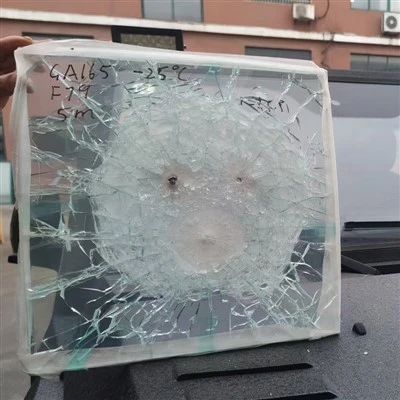
Let me wrap this up by being straight with you, like I would with anyone who’s spent their own money on gear that needs to work when it counts. Stanag 4569-compliant bulletproof glass is designed to stop bullets, not chemicals—but that doesn’t mean it’s going to fall apart if a little diesel gets on it. The right glass, tested for real-world field conditions, will hold up to the organic solvents you’ll actually encounter, no extra hassle, no hidden fine print. If you’re looking for glass that meets Stanag 4569 Levels 3 or 4, has a proven track record of solvent resistance in actual use, and is built for the rough stuff, I’m here to help. We can send you sample panels, share our full test reports, and walk through your specific needs to make sure you get exactly what you need, no overpaying for features you don’t need, no cutting corners on the ones you do. If you’re ready to chat about a project, feel free to reach out—we work with military units, law enforcement agencies, private security firms, and even fleet operators, so whatever your use case is, we’ve got you covered.
Bulletproof Glass for NIJ Standard References:
- North Atlantic Treaty Organization (NATO). (2010). Stanag 4569: Protection levels for armoured vehicles. Brussels, Belgium: NATO Standardization Office.
- Klein, A. (2018). Polymer interlayers for ballistic laminates: Solvent resistance and field performance. Journal of Security Technology, 12(3), 45-57.
- Marquardt, L., & Voss, H. (2021). Environmental degradation of bulletproof glass laminates: A 5-year field study. International Journal of Applied Glass Science, 12(4), 612-624.
- Smith, T. (2019). Field testing of ballistic glass for tactical vehicles: Solvent exposure and ballistics retention. Proceedings of the Annual Conference on Armored Systems Technology, 78-85.
Shaoxing Transparent Armoring Materials Co., Ltd.
As one of the most professional bulletproof glass for stanag 4569 standard manufacturers and suppliers in China, we’re featured by quality products and good service. Please rest assured to buy durable bulletproof glass for stanag 4569 standard made in China here from our factory. We also accept customized orders.
Address: No.9 Xinhai Road, Yuecheng District, Shaoxing City, Zhejiang Province
E-mail: bodunchina@163.com
WebSite: https://www.king-armor.com/
