If you’ve ever felt inexplicably fatigued, struggled with brain fog, or noticed tingling in your hands and feet, there’s a good chance you’re dealing with low vitamin B12. As someone who’s spent the last decade working in dietary supplements—first formulating products, then talking to thousands of customers about their health—I can tell you this is one of the most common, yet often overlooked, nutrient gaps out there. What surprises me most? A lot of people think they can fix low B12 just by adjusting their diet, and while that’s true for some, for many others, supplements are the only reliable, effective solution. Today, I want to break down the best B12 supplements for different needs, why they work, and what you need to know to pick the right one for you. Dietary Supplements
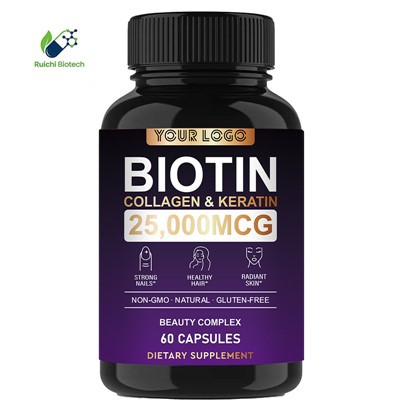
First, let’s get one thing straight: vitamin B12 isn’t made by plants or animals—it’s made by bacteria. That’s why vegans and vegetarians are at much higher risk for deficiency; since they avoid animal products like meat, dairy, and eggs, their main dietary sources are fortified foods (think plant milks, cereals, and nutritional yeast) which often have inconsistent levels of B12 that aren’t always easy for the body to absorb. But it’s not just plant-based eaters. Older adults (over 50) frequently have trouble absorbing B12 from food because as we age, our stomachs produce less stomach acid, which is needed to release B12 from the protein it’s bound to in food. People with gastrointestinal conditions like celiac disease, Crohn’s disease, or who’ve had weight loss surgery also struggle with absorption. Even people taking common medications like metformin (for type 2 diabetes) or proton pump inhibitors (for acid reflux) can develop low B12 over time. If you fall into any of these groups, a quality supplement isn’t just a “nice to have”—it’s a necessity.
Now, when it comes to B12 supplements, not all are created equal. The two active forms of B12 that the human body can use directly are methylcobalamin and adenosylcobalamin. You’ll often see cyanocobalamin in cheaper supplements, and while it does work once the body converts it to active B12, some people (especially those with genetic variations in how they process B12) have trouble with this conversion. Methylcobalamin is the most bioavailable form, meaning it’s absorbed quickly and put to use right away in the brain and nervous system, which is exactly where B12 does its most critical work—supporting nerve function, producing red blood cells, and regulating mood and energy. Adenosylcobalamin, on the other hand, is stored in the mitochondria (the energy powerhouses of cells) and helps with cellular energy production, making it perfect for people who are struggling with fatigue from low B12.
For most people with low to moderate B12 deficiency, a sublingual methylcobalamin supplement is the gold standard. Sublingual supplements are designed to dissolve under the tongue, where the B12 is absorbed directly into the bloodstream through the mucous membranes, bypassing the digestive system entirely. That’s a huge plus for anyone with absorption issues, since it skips the need for stomach acid or the digestive process that can trip people up. I’ve seen customers tell me that within a week of starting a 1000 mcg daily sublingual methylcobalamin supplement, their brain fog lifted and their energy levels improved noticeably. The key here is dosage: for deficiency, you’ll need a higher dose than what’s in a standard multivitamin, which usually has around 10 mcg of B12—way too small to correct a deficit. Look for a sublingual supplement with at least 1000 mcg of methylcobalamin, free of unnecessary fillers, artificial colors, or sweeteners, which can cause other issues for sensitive people.
If you have a more severe deficiency, or if you struggle even with sublingual absorption (some people’s mucous membranes don’t pick up B12 well), then a high-dose oral B12 supplement is a great next step. Unlike low-dose oral B12, high-dose pills (usually 5000 mcg or more) work because even if your digestive system only absorbs a small percentage of the very high amount, it’s enough to build up your body’s stores. This is often recommended by doctors for people with confirmed low B12 levels, especially those with pernicious anemia—a condition where the body can’t make intrinsic factor, a protein needed to absorb B12 from food and standard supplements. A lot of my customers with pernicious anemia swear by these high-dose oral supplements; they take one a week, and their levels stay consistent for months. Just make sure you’re not taking them with foods or supplements that block absorption—like calcium supplements taken at the same time. Wait at least two hours between taking B12 and calcium to get the full benefit.
Another option that’s often overlooked is B12 injections, but I want to be clear: these aren’t for everyone, and they should only be used under the guidance of a healthcare provider. Injections deliver B12 directly into the muscle or bloodstream, so absorption is almost 100%, which is perfect for people with severe deficiencies or absorption disorders that don’t respond to oral supplements. That said, most of my customers don’t need injections—for mild to moderate deficiency, a good oral or sublingual supplement works just as well, and it’s much more convenient and less expensive. I always tell people to get their B12 levels tested first (a simple blood test) before jumping into injections, because you don’t want to overdo it. Too much B12 is rare, but it can cause side effects like acne, anxiety, or digestive issues in some people.
If you’re someone who likes to keep all your supplements in one place, a B complex supplement with adequate B12 is a good secondary option, but it should not be your only source of B12 for deficiency. Most standard B complexes only have 10-50 mcg of B12, which is great for prevention, but not enough to correct a deficit. Look for a B complex that has at least 1000 mcg of methylcobalamin, and make sure it has the other B vitamins in their active forms too—like pyridoxal-5-phosphate (active B6) and folinic acid (active B9, or folate). Folate and B12 work together to support red blood cell production, so having them in the same supplement makes sense, especially for people who are low in both. A lot of vegans, for example, are deficient in both B12 and folate, so a high-quality active B complex can cover both bases.
Now, I know when you’re shopping for supplements, it’s easy to get overwhelmed by the number of options on the market. There are a few key things to look for to make sure you’re getting a safe, effective product. First, check for third-party testing. Reputable supplement manufacturers (like ours) have their products tested by independent labs to verify the purity, potency, and that they don’t have any hidden ingredients or contaminants. This is especially important for B12 supplements, because a lot of cheap brands use filler ingredients that can cause reactions, or they don’t actually have the amount of B12 they claim on the label. Second, avoid supplements with unnecessary additives—artificial flavors, colors, and preservatives are just not needed, and they can be hard on your system. Third, stick to the forms we talked about: methylcobalamin or adenosylcobalamin, not cyanocobalamin, if you have absorption issues or genetic processing differences.
Let me also talk about what to expect when you start a B12 supplement. Don’t think you’ll wake up the next day feeling like a new person—most people start to notice improvements in energy and mood after 1-2 weeks, and for nerve symptoms like tingling, it can take a few months to fully resolve. It’s also important to get regular blood tests to monitor your levels, because once you start supplementing, you’ll want to make sure you’re getting to a healthy range (usually between 200 and 900 pg/mL for B12, but your doctor can tell you what’s right for you). And remember, B12 is a water-soluble vitamin, so any excess is just flushed out of your system—you can’t “overdose” on it, but that doesn’t mean you should take more than the recommended dose, just to be safe.
I’ve been in this industry long enough to know that there’s a lot of misinformation out there about B12. Some people will tell you you can get all you need from fortified cereals, but I’ve seen too many customers who eat those every day and still have low levels because the absorption from those foods is so low. Others will swear by homeopathic B12, but those products usually have almost no actual B12 in them, so they’re just a waste of money. The truth is, for most people at risk of low B12, a quality supplement is the most reliable way to get your levels where they need to be.

At the end of the day, your B12 status is about more than just energy—it affects your immune system, your mood, your cognitive function, and even your heart health. Low B12 has been linked to increased risk of depression, anxiety, and even dementia in older adults, so taking care of this nutrient gap is investing in your long-term health. If you’re not sure which supplement is right for you, or if you have questions about dosing or testing, our team is here to help. We work with individuals, healthcare providers, and organizations to source and supply high-quality B12 supplements, and we can help you find the right product for your specific needs, whether you’re a vegan needing a methylcobalamin sublingual, or someone with a gastrointestinal condition needing a high-dose oral option. If you’re looking to partner with a reliable dietary supplements supplier for your personal use, your clinic, or your organization, don’t hesitate to reach out to our team to discuss your requirements and learn more about our products.
Daily Chemicals References
- National Institutes of Health Office of Dietary Supplements. Vitamin B12: Fact Sheet for Health Professionals.
- Carmel R. Vitamin B12 deficiency. The New England Journal of Medicine.
- Hunt A, Harrington D, Robinson S. Vitamin B12 deficiency. BMJ.
- Lindenbaum J, Rosenberg IH, Wilson PW, Stabler SP, Allen RH. Prevalence of cobalamin deficiency in the Framingham elderly population. The American Journal of Clinical Nutrition.
- Troen BR. The interaction between vitamin B12 and cognitive function. Current Nutrition Reports.
Xi’an Ruichi Biotech Co., Ltd.
As one of the most professional dietary supplements manufacturers and suppliers in China, we’re featured by quality products and low price. Please rest assured to buy discount dietary supplements in stock here from our factory. Contact us for pricelist.
Address:
E-mail: Jenny@ruichibio.com
WebSite: https://www.ruichibio.com/
