Hey there! If you’re in the cosmetics packaging game, you know how critical a cartoning machine is to keeping production smooth, labels tight, and products looking pro on store shelves. As a supplier who’s been tinkering with, building, and fine-tuning these machines for almost 10 years, I get asked this question all the time: “What materials actually go into making one of these things?” Cosmetics Cartoning Machine
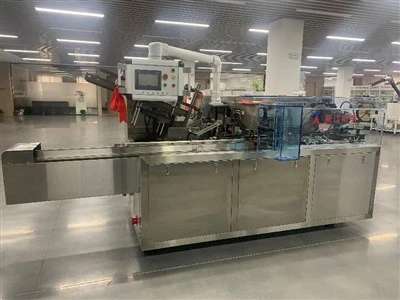
A lot of people assume these machines are just big boxes of metal, but there’s way more to it—each part is chosen for a specific reason, especially when it’s handling delicate stuff like skincare vials, lipstick tubes, or foundation bottles. Cut corners on the wrong material, and you’re dealing with jams down the line, ruined product, or way too much downtime. Let me break down what I actually use when building our machines, no corporate jargon, just real talk from someone who’s got grease under their nails and a warehouse full of tested parts.
First up—we’ve got the main structural frame. This is the backbone of the whole machine, right? It needs to hold up to constant movement, occasional bumps from production crew moving it, and not shift even when it’s humming 24/7 during a big order. I start with carbon steel, specifically A36 mild carbon steel. Why? It’s cheap enough that we don’t lose our shirts when we’re machining 10 machines a month, but it’s super strong. The frame gets welded and then powder-coated with an epoxy paint finish, not just regular spray paint. That’s a game-changer for cosmetics plants—they use cleaners a lot, and epoxy doesn’t chip or fade after months of wiping down with sanitizer. I used to go with stainless steel for frames early on, but it’s way heavier, harder to machine, and for the frame, you don’t need that extra corrosion resistance. Save the stainless for the parts that actually touch the product.
Speaking of product-touching parts—this is where you can’t mess around. If a part rubs against a serum bottle or a lipstick tube, it can scratch the packaging, leave metal shavings, or even leach chemicals into the product (yikes, that’s a FDA red flag). For all parts that come into direct contact with cosmetics—like the vial holders, carton grippers, and product guides—I use food-grade 304 stainless steel. It’s non-reactive, easy to clean, and doesn’t rust, even if there’s a spill or a little moisture from humid production rooms. I also add a thin passivation layer to these parts after machining—it’s a process that removes free iron from the surface, so it’s even more resistant to corrosion. No one wants their machine leaving tiny rust spots on a $50 face cream jar, trust me.
Next, the parts that move stuff around—conveyor belts, rollers, and the carton loading mechanisms. Wait, not just any conveyor belt. We use modular plastic conveyor belts made from acetal resin (that’s Delrin, if you know the brand) or HDPE for the straight sections, and polyurethane-coated rollers for the curves. Acetal is perfect here because it’s low-friction, so the product glides smoothly without getting stuck. It’s also tough—we’ve had belts last 5+ years with heavy use, no cracking. For the carton forming sections, the ones that fold the cardboard boxes into shape, I use a combination of tool steel for the folding blades and silicone rubber strips. The tool steel (specifically D2 tool steel) is hard enough to cut through cardboard without dulling, and the silicone on the blades prevents the cardboard from tearing when it’s folded. We tested skipping the silicone once—ended up with 12% more carton waste every run, not worth it.
Then there’s the electronics and control system parts. No machine runs without these, and they need to work in a busy factory, not a lab. For the enclosures around the control panels, we use mild steel again, but this time it’s galvanized (zinc-coated) to protect against electrical shorts from dust or moisture. The internal wiring is all PVC-insulated, and the sensors—like the ones that detect if a carton is missing or a product is out of line—are IP65-rated. That means they’re dust-tight and can handle being sprayed with a hose if someone needs to clean around them. I’ve gone with cheaper sensors before, and they’d fry after a couple months of factory grime. IP65 isn’t optional here, it’s a must.
Wait, what about the cartons themselves? No, wait—no, the question is what the machine is made of, but the cardboard handling parts tie into that. The suction cups that pick up flat cardboard blanks to form into boxes? We use nitrile rubber suction cups. They’re soft enough to grip the thin cardboard (or even rigid paperboard for luxury cosmetics) without crumpling it, and they resist oils from the factory air, so they don’t get sticky and lose suction over time. Natural rubber would get gross and break down fast, nitrile is the way to go.
Oh, and the gears and bearings—super important for keeping the machine moving smoothly. We use plain bearings made of bronze impregnated with graphite (called self-lubricating bearings) for most of the moving parts. Why? They don’t need regular oiling, which is a huge plus for cosmetics plants—oil can leak and ruin product. The gears, though, are a mix of hardened steel and acetal. The main drive gears are steel, because they need to handle heavy loads, and the smaller, lighter gears that move the carton guides are acetal, so they quiet down the machine and reduce wear. I learned that the hard way—all steel gears would make so much noise that the factory crew complained, and they wore out faster. Mixing materials is smart here.
Let’s talk about the finishing touches that people don’t notice but matter. All the bolts and fasteners that hold the machine together? Stainless steel, obviously. No one wants rusty bolts falling apart mid-production. The handles on the adjustment knobs—we use nylon, because it’s lightweight, easy to grip when your hands are greasy, and doesn’t slip. The emergency stop buttons are also covered in a rubberized plastic, so you can press them fast even if you’re wearing gloves.
Now, why do I mix so many different materials instead of just going all-in on one? It’s a balance of cost, performance, and safety. If I used 100% stainless steel for every part, the machine would cost twice as much, be way too heavy to move if the plant layout changes, and still not be better for the parts that don’t touch product. If I used all plastic, the machine would break down every other week. That’s the mistake a lot of new machine makers make—they think more expensive materials mean a better machine, but it’s about the right material for the right job.
I also test every material I use in our shop before putting it into a machine. Last year, we were trying a new aluminum alloy for the carton grippers—seemed lighter, cheaper. But after a month of testing, we noticed it was scratching the matte cardboard boxes that a client uses for their new skincare line. Turned out the aluminum was too soft, so we switched back to 304 stainless, and problem solved. That’s the stuff no one tells you when you’re looking at spec sheets—you have to actually run the machine with real products to make sure it works.
If you’re a cosmetics brand looking to buy a cartoning machine, don’t just ask for “stainless steel”—ask what parts are stainless, why, and what the non-stainless parts are made of. A lot of cheap machines will cut corners on the frame or the product guides, which will end up costing you more in wasted product and repairs later.
At the end of the day, this isn’t just metal and plastic—it’s materials that are chosen to protect your products, keep your production running, and make your job easier. I’ve built machines for small indie cosmetic brands with 1,000-unit runs, and for big brands doing 100,000 units a day, and the materials still have to hold up to whatever you throw at them.
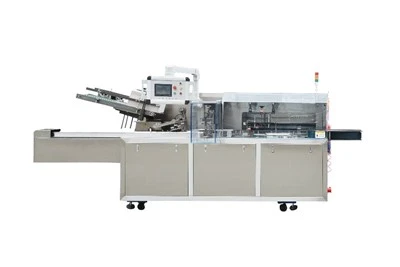
If you’re in the market for a cartoning machine that’s built with the right materials (no shortcuts), hit me up to chat through your needs—whether you’re new to packaging or looking to upgrade your current setup. I’m here to answer questions, walk you through what we use, and make sure you get a machine that works for your cosmetics line, not just a cookie-cutter model.
Cosmetics Cartoning Machine References
- ASM International. (2021). Materials Selection for Packaging Machinery. ASM Handbook.
- Cosmetic, Toiletry, and Fragrance Association (CTFA). (2020). Sanitary Equipment Design Guidelines for Cosmetics Manufacturing.
- Society of Manufacturing Engineers (SME). (2019). Practical Machining and Material Selection for Industrial Equipment.
- International Organization for Standardization (ISO). (2018). ISO 14644-1: Cleanrooms and Associated Controlled Environments – Part 1: Classification of Air Cleanliness.
- Delrin Acetal Resin Product Data. (2022). DuPont Industrial Polymers.
Zhejiang Tuoyu Packaging Machinery Co., Ltd.
Zhejiang Tuoyu Packaging Machinery Co., Ltd. is one of the most professional cosmetics cartoning machine manufacturers and suppliers in China. With abundant experience, we warmly welcome you to wholesale durable cosmetics cartoning machine made in China here from our factory. Good service and quality products are available.
Address: Workshop No.12, No.11-19, Xinbin Road, Binhai New Area, Pingyang County, Wenzhou City
E-mail: 15868789201@163.com
WebSite: https://www.tuoyupack.com/
