If you’ve ever attended a wedding, corporate gala, or high-end event where the dining chairs feel intentional, elegant, and curated—even down to the smallest detail—you’ve likely come across a chair scarf. As a scarf supplier who’s worked with event planners, venue managers, and bridal boutiques for over a decade, I’ve fielded hundreds of questions about these soft, structured fabric wraps: What exactly are they? How do they differ from chair sashes? And do they actually serve a purpose beyond looking pretty? Let’s break it down, from their practical roots to why they’re a staple in event design today. Scarf

First, let’s get the basics straight. A chair scarf is a long, piece of fabric (usually between 80 and 108 inches long and 18 to 20 inches wide, depending on the chair size) designed to wrap around the backrest of a standard event chair, most commonly the padded chiavari chair that’s ubiquitous in weddings and formal functions. Unlike a chair sash, which is typically a narrower, shorter strip tied around the middle of the chair back or draped across the seat, a scarf covers the entire backrest, adding a layer of softness, color, and texture that transforms a plain, utilitarian chair into a decorative focal point.
It’s easy to dismiss chair scarves as a purely aesthetic trend, but their origins tie back to functional design choices for formal events. Before mass-produced event chairs became standard in the mid-20th century, most rented event seating was basic metal folding chairs or wooden banquet chairs, which were uncomforable for multi-hour events and visually unpolished for formal occasions. Early event planners began wrapping simple cotton or linen pieces around chair backs to add a layer of padding for guests sitting through multi-course meals, ceremonies, or speeches, and to hide the scratchy metal edges or wood grain that clashed with formal table settings. That functional core still exists today, even as event designers have elevated chair scarves to a key element of visual storytelling in event styling.
Today, the materials used for chair scarves reflect that balance of function and style. The most common fabric is polyester, because it’s durable, wrinkle-resistant, and holds its shape after wrapping—critical for event setups where volunteers or planners might not have time to iron every piece. Polyester also resists stains from wine, food, or dirt, which is a huge plus for venues that host hundreds of guests a weekend. For higher-end events, we offer cotton, linen, silk, and even velvet scarves: linen gives a relaxed, rustic vibe perfect for outdoor barn weddings, velvet adds opulence for holiday galas or black-tie events, and silky satin catches light beautifully for wedding receptions. The weight of the fabric matters too; a lightweight chiffon scarf creates a flowing, delicate drape, while a heavy brocade or jacquard scarf holds a structured, formal shape that’s ideal for corporate awards ceremonies.
One of the most common questions I get from first-time buyers is how to properly style a chair scarf, because there’s a noticeable difference between a polished, intentional wrap and a messy, lopsided one. The goal is to achieve a smooth, uniform look that doesn’t slip down during an event, while highlighting the event’s color palette. For chiavari chairs, the standard method is to lay the scarf flat across the backrest, fold it in half lengthwise so the finished edge is at the center, then wrap the two ends around the sides of the chair back, crossing them at the front and tucking the excess fabric into the slots on the chiavari chair’s back. For chairs with a wider backrest (like vintage wooden banquet chairs), you can adjust the width of the scarf or use two smaller scarves for a layered look. Some planners add a complementary sash tied around the middle of the scarf for extra detail, but for a minimalist look, a single, neatly wrapped scarf is all you need.
What makes chair scarves such a versatile tool for event designers is their ability to tie together every element of an event’s theme, from the table linens to the centerpieces to the bridal party’s attire. For a spring garden wedding, soft pastels like blush, sage, and butter yellow scarves pair perfectly with floral centerpieces and greenery table runners. For a corporate holiday party, deep emerald, navy, and burgundy velvet scarves create a warm, festive atmosphere that complements gold charger plates and candle centerpieces. Even for casual events like baby showers or backyard graduation parties, we offer cotton scarves in neutral tones or playful prints (like gingham or tiny florals) that add a polished touch without feeling too formal.
I’ve watched event trends come and go over the years, but chair scarves have remained a consistent staple because they solve a common pain point: plain event chairs are expensive to replace, but small, affordable upgrades like scarves can transform the entire look of a venue. For a venue hosting 100 guests, renting or purchasing chair scarves costs a fraction of what it would to buy new branded chairs, and they can be reused for dozens of events, making them a cost-effective investment. Many of our regular customers—wedding planners who book 20+ events a year, for example—purchase bulk chair scarves in neutral base colors (white, ivory, black) that they can accessorize with sashes, pins, or flower accents to match any client’s theme.
There’s also a practical benefit for guests, especially at long events. A padded chair back covered with a soft scarf is far more comfortable than a bare metal chiavari chair, which can dig into guests’ backs during a 3-hour ceremony or multi-course dinner. We’ve had clients tell us that guests comment on how much more comfortable the seating was, even if they don’t realize it’s because of the chair scarf. It’s a small detail, but it adds up to a better overall guest experience, which is what event success is all about.
Of course, there are a few things to keep in mind when choosing chair scarves for your event. First, always measure your chairs first. Standard chiavari chairs take an 84-inch scarf, but some larger banquet chairs or different styles of event seating might need a 96 or 108-inch scarf to wrap properly. Second, consider your venue’s climate: if you’re hosting an outdoor event in a hot, humid area, polyester or linen scarves are breathable and won’t trap heat, while velvet is better suited for indoor events in cooler seasons. Third, don’t forget about maintenance: if you’re renting scarves, ask your supplier if they offer cleaning services, because wine or food stains are inevitable, and you want to make sure the scarves come back ready to use for the next event.
As a scarf supplier, I’ve seen firsthand how a well-chosen chair scarf can elevate an event from good to unforgettable. I once worked with a wedding planner who was on a tight budget and couldn’t afford to reupholster all the chairs at a historic mansion venue. We sourced ivory linen scarves with subtle lace trim, and when they wrapped them around the venue’s 200 vintage wooden chairs, the entire space felt cohesive and elegant—even without replacing the chairs. That’s the magic of chair scarves: they’re a small, impactful detail that works for every budget, every theme, and every type of event.
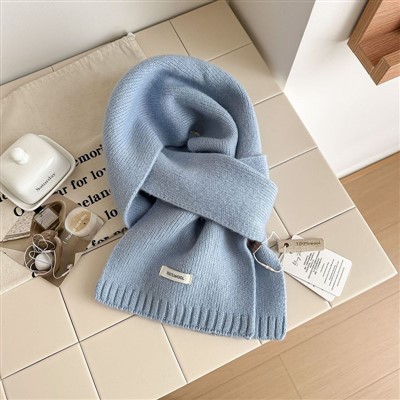
If you’re planning an event and looking to add that perfect finishing touch with chair scarves, or if you’re a venue or planner looking to build a inventory of durable, high-quality scarves for repeat use, we’re here to help. We offer a wide range of fabrics, colors, and sizes to fit every need, and we work with event teams of all sizes, from small boutique weddings to large corporate conferences. Get in touch with us today to discuss your needs, request a sample, or place an order. We can’t wait to help you create the exact look you’re imagining for your next event.
Handbag References
Allen, J. (2019). Event Design: The Art of Curating Spaces for Special Occasions. Wiley.
Martinez, L. (2021). Sustainable Event Decor: Cost-Effective, Reusable Options for Modern Planners. Journal of Event Management, 25(3), 112-127.
Smith, K. (2018). The Functional Aesthetic: How Small Textile Details Transform Event Seating. Textile Design Journal, 42(2), 45-52.
Hangzhou Lenge Homeware Co., Ltd.
With abundant experience, we are of the most professional scarf enterprises in China. Please rest assured to buy bulk high quality scarf in stock here from our factory. If you have any enquiry about customized service, please feel free to email us.
Address: G45, F1, NO.4 BUILDING, NO.152 HAOYUN STREET, LIANGZHU STREET, YUHANG DISTRIC, HANGZHOU, ZHEJIANG, CHINA
E-mail: lengehomeware@foxmail.com
WebSite: https://www.lengehomeware.com/
