How does temperature affect the performance of a high pressure membrane?
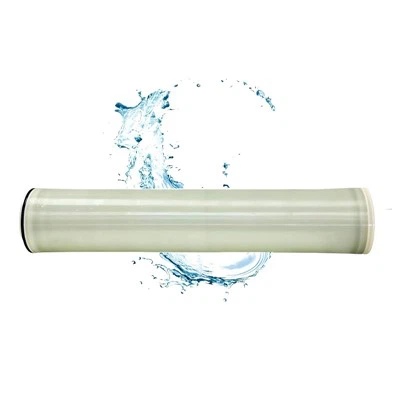
As a supplier of high pressure membranes, I’ve witnessed firsthand the critical role that temperature plays in the performance of these essential components. High pressure membranes are used in a wide range of applications, from water purification and desalination to chemical separation and energy production. Understanding how temperature affects their performance is crucial for ensuring optimal operation and longevity. High Pressure Membrane
1. Impact on Membrane Permeability
One of the most significant ways temperature affects high pressure membranes is through its influence on membrane permeability. Permeability refers to the ability of a membrane to allow the passage of certain molecules while rejecting others. In general, as temperature increases, the permeability of a membrane also increases. This is because higher temperatures provide more energy to the molecules, allowing them to move more freely through the membrane pores.
For polymers commonly used in high – pressure membranes such as polyamide, an increase in temperature can cause the polymer chains to become more flexible. This enhanced flexibility leads to an expansion of the membrane pores, facilitating the passage of water and other small molecules. For example, in a reverse osmosis (RO) system used for water desalination, a small increase in feed water temperature can result in a significant increase in the permeate flux, which is the volume of water passing through the membrane per unit area and time.
However, this increase in permeability is not always beneficial. In some cases, the increased passage of unwanted solutes may also occur. For instance, in a nanofiltration membrane used for separating divalent ions from water, higher temperatures can lead to a decrease in the rejection rate of these ions. This is because the increased kinetic energy of the ions allows them to more easily overcome the repulsive forces exerted by the membrane surface.
2. Effect on Membrane Integrity
Temperature can also have a profound impact on the integrity of high pressure membranes. Most membranes are made from polymers, and polymers have specific temperature limits within which they can maintain their mechanical and chemical properties.
At high temperatures, polymers may experience thermal degradation. Thermal degradation can involve processes such as chain scission, where the long polymer chains break into smaller fragments. This can lead to a decrease in the mechanical strength of the membrane, making it more prone to physical damage such as cracking or tearing. In addition, thermal degradation can also alter the chemical structure of the polymer, which may affect its selectivity and permeability.
On the other hand, extremely low temperatures can make the membrane polymer more brittle. The reduced molecular mobility at low temperatures causes the polymer chains to become more rigid and less able to absorb mechanical stress. As a result, the membrane may be more likely to fracture during operation, especially when subjected to high pressure differentials.
3. Influence on Fouling and Scaling
Fouling and scaling are major challenges in the operation of high pressure membrane systems. Fouling refers to the accumulation of unwanted substances on the membrane surface, while scaling is the precipitation of inorganic salts on the membrane. Temperature can affect both fouling and scaling processes.
Higher temperatures can increase the rate of biological and organic fouling. Microorganisms tend to grow more rapidly at elevated temperatures, and organic matter can become more reactive, leading to the formation of complex fouling layers on the membrane surface. These fouling layers can reduce the membrane permeability and increase the pressure drop across the membrane, requiring more energy for operation and more frequent cleaning.
In terms of scaling, temperature affects the solubility of inorganic salts. For many salts, such as calcium carbonate and calcium sulfate, their solubility decreases with increasing temperature. This means that at higher temperatures, there is a greater risk of salt precipitation and scaling on the membrane surface. Scaling can block the membrane pores, reduce the permeate flux, and ultimately damage the membrane.
4. Thermal Expansion and Contraction
High pressure membranes are often installed in systems where they are in contact with different materials, and temperature changes can cause differential thermal expansion and contraction between the membrane and its surrounding components.
When the temperature rises, the membrane and the supporting structures or housing materials may expand at different rates. This can create internal stresses within the membrane module, which may lead to delamination (separation of different layers in a composite membrane) or misalignment of the membrane elements. Similarly, when the temperature drops, the contraction of different materials can also cause mechanical damage to the membrane.
5. Optimizing Performance with Temperature Control
Given the significant impact of temperature on high pressure membrane performance, it is essential to implement effective temperature control strategies. In many cases, the feed water or process fluid temperature can be adjusted to maintain optimal membrane operation.
For example, in a RO desalination plant, the feed water can be pre – cooled or pre – heated to a temperature within the recommended range for the specific membrane being used. This can help to balance the trade – off between membrane permeability and rejection, as well as minimize the risks of fouling, scaling, and thermal degradation.
In industrial applications where high pressure membranes are used for chemical separation, temperature control can be integrated into the overall process design. This may involve using heat exchangers to adjust the temperature of the feed stream or implementing cooling or heating systems within the membrane module itself.
6. Our Role as a High Pressure Membrane Supplier
As a high pressure membrane supplier, we understand the critical importance of temperature in membrane performance. We offer a range of membranes with different temperature ratings to suit various applications. Our technical team is always available to provide advice on temperature control and operation strategies.
We conduct extensive research and development to improve the temperature resistance of our membranes. By using advanced polymer materials and manufacturing processes, we are able to produce membranes that can withstand a wider range of temperatures without significant loss of performance.
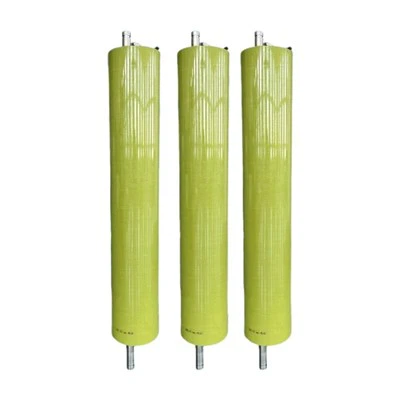
We also work closely with our customers to understand their specific requirements and challenges. Whether it’s a small – scale water purification system or a large – scale industrial separation process, we can recommend the most suitable membrane and provide support in optimizing the system for temperature – related factors.
System Center If you are in the market for high pressure membranes and want to ensure the best performance in your application, we encourage you to reach out to us. Our experts can help you select the right membrane, discuss temperature control options, and provide guidance on system design and operation. We are dedicated to helping you achieve the most efficient and cost – effective membrane separation processes.
References
- Wijmans, J.G., & Baker, R.W. (1995). The solution – diffusion model: a review. Journal of Membrane Science, 107(1 – 2), 1 – 21.
- Mulder, M. (1996). Basic principles of membrane technology. Kluwer Academic Publishers.
- Elimelech, M., & Phillip, W.A. (2011). The future of seawater desalination: energy, technology, and the environment. Science, 333(6043), 712 – 717.
Hangzhou Nanoimp Environmental Technology Co., Ltd.
With abundant experience, we are one of the most professional high pressure membrane manufacturers and suppliers in China. Welcome to wholesale high quality high pressure membrane in stock here and get pricelist from our factory. We also accept customized orders.
Address: Road 25, Baiyang Street, Qiantang District, Hangzhou City, Zhejiang Province
E-mail: keith.wang@nano-sepmer.com
WebSite: https://www.nanoimp-membrane.com/
