Recycled cotton yarn and bamboo yarn are two of the most talked-about materials in the textile industry today. As a supplier of recycled cotton yarn, I’m often asked how my product stacks up against bamboo yarn. In this blog post, I’ll delve into the key aspects of both materials, comparing them across various dimensions to help you make an informed decision for your next project. Recycled Cotton Yarn

Sustainability
- Recycled Cotton Yarn
Sustainability is at the heart of recycled cotton yarn. The process of creating recycled cotton yarn starts with collecting discarded cotton textiles, such as old clothes, fabric scraps from manufacturing, and other post – consumer waste. Through a series of mechanical processes including shredding, cleaning, and re – spinning, these waste materials are transformed into new yarn. This significantly reduces the amount of textile waste that would otherwise end up in landfills. It also conserves natural resources like water and land that are required for growing new cotton. By choosing recycled cotton yarn, you’re actively participating in a circular economy, where materials are reused and repurposed instead of being discarded. - Bamboo Yarn
Bamboo is a fast – growing and renewable resource. It can reach maturity in as little as three to five years, compared to traditional cotton which takes a full growing season. Bamboo requires minimal water, pesticides, and fertilizers to grow, making it an environmentally friendly choice in terms of cultivation. However, the process of converting bamboo into yarn can be more controversial. Most commercially available bamboo yarn is made through a viscose process, which involves the use of harsh chemicals such as sodium hydroxide and carbon disulfide. These chemicals can be harmful to the environment if not properly managed during the production process.
Fiber Properties
- Softness and Comfort
Recycled cotton yarn has a soft and familiar feel. It’s similar to regular cotton, which is well – known for its comfort against the skin. The fibers are porous, allowing air to circulate and keeping the wearer cool and dry. This makes it an excellent choice for clothing items like underwear, t – shirts, and baby clothes.
Bamboo yarn is also incredibly soft, often described as having a silky texture. It has a smooth surface that feels gentle on the skin. Bamboo fibers are finer than cotton fibers, which contributes to its softness. Additionally, bamboo has natural hypoallergenic properties, making it suitable for people with sensitive skin. - Strength and Durability
Recycled cotton yarn retains a good amount of strength from the original cotton fibers. While it may not be as strong as some synthetic fibers, it is more than adequate for most common textile applications. The durability of recycled cotton makes it a great choice for items that will be subject to regular wear and tear, such as denim and workwear.
Bamboo yarn, on the other hand, has a relatively lower strength compared to cotton. The viscose process used to make many bamboo yarns can weaken the fibers slightly. However, it can still be used for a variety of applications, especially in combination with other fibers to enhance its strength. For example, bamboo – cotton blends are quite popular, as they combine the softness of bamboo with the strength of cotton.
Absorbency and Moisture Wicking
- Recycled Cotton Yarn
Cotton is a highly absorbent fiber, and recycled cotton inherits this property. It can absorb a large amount of moisture, making it great for towels, bathrobes, and sportswear. The absorbency also helps in keeping the body dry, as it wicks away sweat from the skin. However, cotton can take longer to dry compared to some synthetic fibers. - Bamboo Yarn
Bamboo yarn is also very absorbent. In fact, it can absorb up to three times its weight in water. It has excellent moisture – wicking properties, which means it can quickly move sweat away from the body to the outer surface of the fabric, where it can evaporate. This makes bamboo yarn ideal for activewear, as it helps to keep the wearer cool and comfortable during physical activities.
Dyeing and Color Retention
- Recycled Cotton Yarn
Recycled cotton yarn can be dyed using a variety of methods, similar to regular cotton. It has good dye – affinity, which means it can take on a wide range of colors easily. However, due to the nature of recycled materials, there may be some slight variations in color uptake, resulting in a more unique and rustic look. In terms of color retention, cotton generally holds up well over time, especially when proper washing and care instructions are followed. - Bamboo Yarn
Bamboo yarn can also be dyed effectively. It has a natural white color that provides a good base for dyeing. Bamboo fibers have a smooth surface, which can sometimes make them a bit more challenging to dye evenly compared to cotton. However, with the right dyeing techniques, beautiful and vibrant colors can be achieved. Color retention in bamboo yarn is also reasonable, but it may fade slightly faster than cotton over repeated washing, especially if harsh detergents are used.
Cost
- Recycled Cotton Yarn
The cost of recycled cotton yarn can vary depending on several factors, such as the quality of the recycled materials, the production process, and the scale of production. In general, it is often more affordable than using virgin cotton, as the cost of sourcing raw materials is lower. This makes it an attractive option for manufacturers looking to reduce costs without compromising on quality. - Bamboo Yarn
Bamboo yarn can be more expensive than recycled cotton yarn. The cultivation of bamboo may be less resource – intensive, but the processing and conversion into yarn can be costly, especially when considering the need for chemicals and specialized equipment. Additionally, the demand for bamboo yarn has been increasing in recent years, which can also drive up the price.
Applications
- Recycled Cotton Yarn
Recycled cotton yarn has a wide range of applications. It is commonly used in the fashion industry for making clothing such as jeans, shirts, dresses, and sweaters. It is also used in home textiles like bedding, curtains, and upholstery. Due to its comfort and durability, it is suitable for both everyday wear and long – lasting home items. - Bamboo Yarn
Bamboo yarn is popular in the activewear and yoga clothing market due to its moisture – wicking and softness properties. It is also used in the production of lingerie, socks, and baby clothes because of its hypoallergenic nature. In home textiles, bamboo yarn can be found in items like towels, bed linens, and throws.
Conclusion
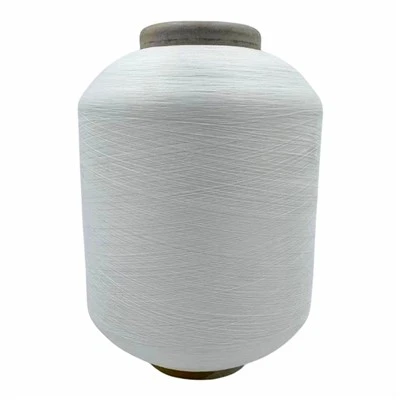
Both recycled cotton yarn and bamboo yarn have their unique advantages and disadvantages. If you’re looking for a sustainable option that offers comfort, durability, and affordability, recycled cotton yarn is a great choice. It has a proven track record in the textile industry and can be used in a wide variety of applications. On the other hand, if you need a soft, moisture – wicking, and hypoallergenic material, especially for active or sensitive – skin applications, bamboo yarn might be more suitable.
DTY Nylon Yarn As a supplier of recycled cotton yarn, I’m confident in the quality and sustainability of my product. I’m always ready to work with you to meet your specific needs. Whether you’re a clothing manufacturer, a home textile designer, or a crafter, I can provide you with high – quality recycled cotton yarn at competitive prices. If you’re interested in learning more about my recycled cotton yarn products and starting a procurement discussion, please reach out. I’ll be happy to provide samples and discuss your project requirements in detail.
References
- "Textile Fibers: Science and Technology" by K. G. Satyanarayana
- "Sustainable Textiles: Life Cycle and Environmental Impact" by S. Gemmill
- Journals from the Textile Institute
Zhuji Yuanhui Import & Export Co., Ltd.
Zhuji Yuanhui Import & Export Co., Ltd. is one of the most professional recycled cotton yarn manufacturers and suppliers in China. With abundant experience, we warmly welcome you to buy high-end recycled cotton yarn made in China here from our factory. If you have any enquiry about quotation and free sample, please feel free to email us.
Address: No.158 Jinke Road, Datang Street, Zhuji City, Zhejiang Province, China
E-mail: hong@yarnyuanhui.com
WebSite: https://www.yarnfty.com/
