Hey there! As a supplier of hexagon socket bolts, I often get asked a really interesting question: "Are hexagon socket bolts magnetic?" It’s a question that might seem simple at first glance, but the answer is actually a bit more complex than you’d think. So, let’s dive right in and explore this topic together. Hexagon Socket Bolt
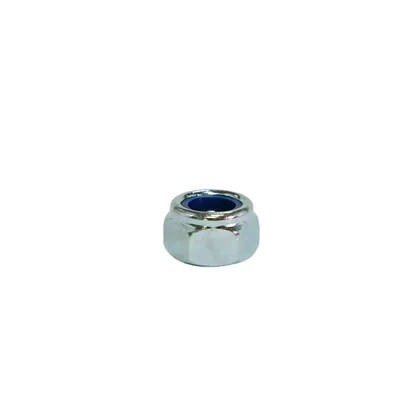
First off, let’s understand what hexagon socket bolts are. These are bolts with a hexagonal socket in the head. They’re super handy because you can use an Allen wrench or a hex key to tighten or loosen them. They’re used in all sorts of applications, from machinery and automotive parts to furniture and DIY projects. You name it, there’s a good chance hexagon socket bolts are holding it together.
Now, back to the big question: Are they magnetic? Well, it depends on the material they’re made of. You see, not all hexagon socket bolts are created equal. There are different types of materials used in their manufacturing, and each material has its own magnetic properties.
One of the most common materials for hexagon socket bolts is steel. Steel is an alloy made mainly of iron, and iron is magnetic. So, generally speaking, steel hexagon socket bolts are magnetic. When you bring a magnet close to a steel bolt, it’ll stick right to it. This is because the iron atoms in the steel are arranged in a way that allows them to be attracted to a magnetic field.
But here’s the thing. There are different grades of steel, and some of them have other elements added to them. For example, stainless steel is a type of steel that contains chromium, nickel, and sometimes other elements. These additional elements can change the magnetic properties of the steel.
There are two main types of stainless steel when it comes to magnetism: austenitic and ferritic. Austenitic stainless steel, which is very common, is usually non – magnetic. It has a crystal structure that doesn’t allow it to be attracted to a magnet. So, if you have hexagon socket bolts made from austenitic stainless steel, they won’t stick to a magnet.
On the other hand, ferritic stainless steel is magnetic. It has a different crystal structure that makes it respond to a magnetic field just like regular steel. So, if your hexagon socket bolts are made from ferritic stainless steel, they’ll be magnetic.
Then, there are other materials too. For example, brass hexagon socket bolts are not magnetic. Brass is an alloy of copper and zinc, and neither copper nor zinc is magnetic. So, if you’re using brass bolts in your project, you don’t have to worry about them being affected by magnetic fields.
Aluminum hexagon socket bolts are also non – magnetic. Aluminum is a lightweight metal that doesn’t have magnetic properties. These bolts are often used in applications where weight is a concern, like in aircraft or some high – tech electronics.
Why does the magnetism of hexagon socket bolts matter? Well, there are a few reasons. In some industries, like electronics, magnetic materials can interfere with sensitive equipment. So, non – magnetic bolts are preferred. For example, in magnetic resonance imaging (MRI) machines, which use powerful magnetic fields, non – magnetic bolts are essential to prevent any interference with the imaging process.
On the other hand, in some mechanical applications, the magnetic property of bolts can be an advantage. For example, in a manufacturing environment where parts are moved around using magnetic conveyors, magnetic bolts can be easily transported along with the other components.
As a supplier, I’ve seen all sorts of situations where the magnetism of hexagon socket bolts plays a role. I’ve had customers who specifically ask for non – magnetic bolts for their high – tech projects, and others who need magnetic bolts for their industrial machinery.
So, how do you know if the hexagon socket bolts you’re using or planning to buy are magnetic? Well, the easiest way is to just take a magnet and test them. If the magnet sticks, then the bolts are magnetic. But if you’re buying in bulk, it’s always a good idea to ask the supplier about the material and its magnetic properties.
At our place, we make sure to provide all the information our customers need. We have a wide range of hexagon socket bolts made from different materials, both magnetic and non – magnetic. Whether you need steel bolts for a heavy – duty construction project or non – magnetic stainless steel bolts for a sensitive electronic device, we’ve got you covered.
If you’re in the market for hexagon socket bolts, don’t hesitate to reach out. We can help you choose the right type of bolt for your specific needs. Whether you’re a DIY enthusiast working on a home project or a large – scale manufacturer, we’re here to offer our expertise and top – quality products.
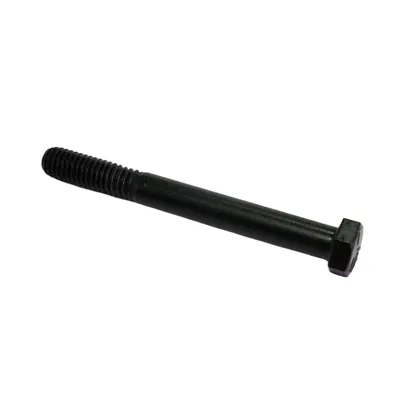
In conclusion, the answer to the question "Are hexagon socket bolts magnetic?" is that it varies depending on the material. Steel bolts are usually magnetic, but stainless steel can be either magnetic or non – magnetic depending on its type. Other materials like brass and aluminum are non – magnetic. So, next time you’re working on a project and need hexagon socket bolts, think about whether you need them to be magnetic or not. And if you have any questions or need to make a purchase, just drop us a line.
Hex Bolt References:
- "Materials Science for Engineers" – Basic concepts in materials and their magnetic properties.
- "Handbook of Fasteners and Joining" – Information on different types of fasteners and their applications.
Jiaxing Jinling Hardware Technolgy Joint Stock Co., Ltd.
As one of the most experienced hexagon socket bolt manufacturers and suppliers in China, we also support customized service. Please feel free to buy bulk high-grade hexagon socket bolt made in China here from our factory. For quotation and price list, contact us now.
Address: No.32, Shenjiadai, Xuyouche Village, Qinshan Subdistrict, Haiyan County, Zhejiang Province, China
E-mail: jlzxl@jinlingfstn.com
WebSite: https://www.china-nut-factory.com/
